
Highlights
-
Early childhood education fundamentally structures brain development during the most crucial formative years of a young child’s life.
-
Attending the best preschools establishes long-term advantages in literacy, quantitative reasoning, and collaborative problem-solving skills.
-
High-quality early learning environments foster essential emotional regulation and social skills necessary for classroom settings.
-
Long-term scientific studies demonstrate a direct correlation between early preschool participation and higher lifelong educational achievement.
-
Structured daily schedules in early childhood programs help young learners build resilience, discipline, and healthy routine habits.
-
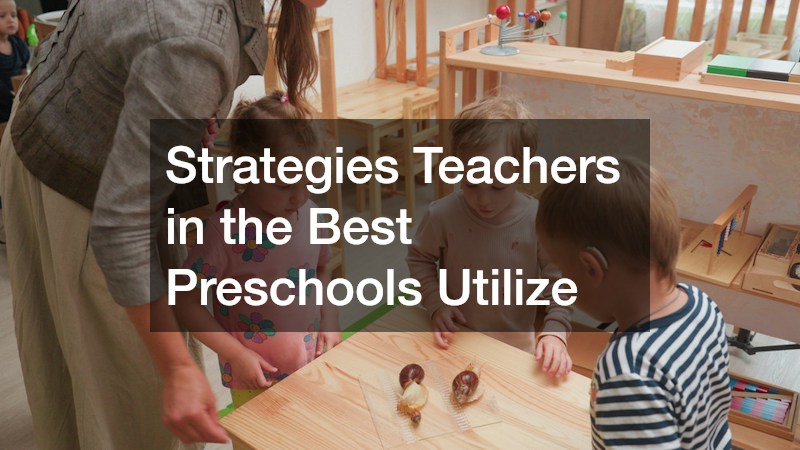
Qualified educators utilize research-backed, play-based methodologies to prepare young children for formal elementary education.
What are the main benefits of enrolling a child in preschool?
Enrolling a child in a high-quality early childhood learning program lays an indispensable foundation for long-term cognitive, social, and emotional growth. During the first five years of life, a child’s brain undergoes rapid structural development, creating millions of neural connections every second.
Accessing structured learning environments during this crucial window ensures that young minds are consistently stimulated through guided activities, tailored play, and guided peer interaction. Children learn to navigate social dynamics outside the home, build emotional resilience, and absorb basic academic concepts that smooth the transition into formal elementary education. Ultimately, the immersive educational experiences provided by the best preschools help young learners cultivate curiosity, self-confidence, and a lifelong passion for continuous discovery.
How does early childhood education influence cognitive development?
Early childhood education accelerates cognitive progression by introducing structured, age-appropriate intellectual challenges that promote active problem-solving, vocabulary growth, and basic quantitative reasoning. According to comprehensive research published by the National Institutes of Health, participating in intensive early learning programs directly correlates with significantly higher academic test scores, improved reading comprehension, and enhanced mathematical reasoning skills extending through adolescence and young adulthood. Skilled educators design targeted activities that foster critical thinking rather than passive memorization.
-
Language Acquisition: Children expand their vocabulary exponentially through daily storytelling, guided peer discussion, and exposure to rich, descriptive language environments.
-
Pre-Math Foundations: Guided play involving patterns, spatial sorting, counting games, and shape recognition establishes essential mental frameworks for future complex mathematical learning.
-
Critical Problem-Solving: Interactive group projects encourage young learners to experiment with cause and effect, analyze results, and iteratively solve hands-on spatial and logical puzzles.
Why are social and emotional skills emphasized in early learning?
Social and emotional development forms the backbone of a successful classroom experience, equipping young children with the self-regulation required to function harmoniously within group settings. In an early learning environment, children regularly encounter opportunities to share resources, resolve interpersonal conflicts, negotiate play rules, and articulate complex internal emotions using constructive language. Guidance from the National Association for the Education of Young Children emphasizes that high-quality early childhood programs intentionally build these psychosocial competencies by pairing cooperative group activities with empathetic teacher support. Mastering emotional management at an early age reduces behavioral disruptions and creates a strong foundation for interpersonal empathy.
What long-term advantages do children gain from attending preschool?
The educational, personal, and socioeconomic advantages gained from early childhood care persist far beyond kindergarten, influencing long-term life trajectories into adulthood. Exhaustive longitudinal research compiled by the U.S. Department of Education demonstrates that children enrolled in high-quality early childhood programs consistently show higher high school graduation rates, lower placement rates in remedial courses, and increased rates of post-secondary college enrollment.
-
Enhanced Academic Persistence: Early exposure to structured learning instills internal discipline, curiosity, and academic confidence, driving higher educational retention.
-
Long-Term Career Success: Longitudinal tracking shows former attendees achieving higher adult employment rates, greater career stability, and increased lifetime earnings.
-
Positive Civic Outcomes: Sustained early educational intervention correlates with significantly lower rates of adolescent behavioral infractions and adult criminal involvement.
How do structured routines in preschool help young learners?
Structured daily routines provide young children with a secure, predictable framework that reduces ambient anxiety and fosters personal independence. Transitioning between distinct time blocks—such as morning check-ins, independent choice periods, group storytimes, and outdoor physical play—teaches children how to manage time, anticipate upcoming expectations, and regulate their energy levels. Learning to care for personal belongings, clean up shared spaces, and follow multi-step instructions fosters autonomy and personal responsibility. Selecting from among the best preschools ensures that your child experiences a thoughtful balance of predictable structure and joyful flexibility tailored precisely to their developmental needs.
What role do qualified teachers play in early childhood success?
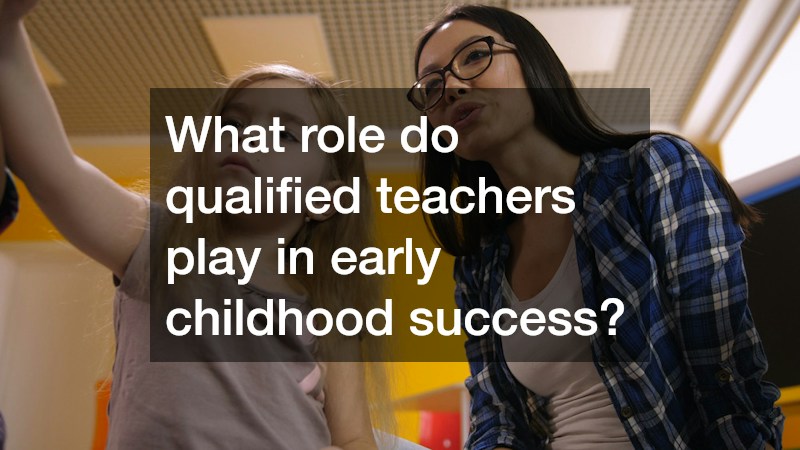
Qualified early childhood educators serve as essential facilitators who bridge the critical gap between passive play and intentional learning. Expert teachers possess deep knowledge of child psychology, allowing them to identify unique learning styles, adapt curriculum dynamically, and offer targeted interventions when a child encounters frustration. Beyond delivering lesson plans, skilled instructors cultivate nurturing, inclusive classroom environments where young learners feel safe taking creative risks, asking complex questions, and making mistakes without fear of failure. Their guidance transforms routine daily interactions into powerful learning moments that build foundational academic and emotional competence.
Investing in early childhood education is one of the most impactful decisions a family can make to secure a child’s long-term academic, emotional, and social well-being. By delivering structured cognitive stimulation, fostering essential psychosocial competencies, and instilling a lifelong love of learning, high-quality early childhood programs set children on a trajectory toward lasting personal success. As scientific research continuously confirms, the benefits of early learning resonate across a lifetime, equipping young minds with the essential tools required to thrive in an increasingly complex world.
