
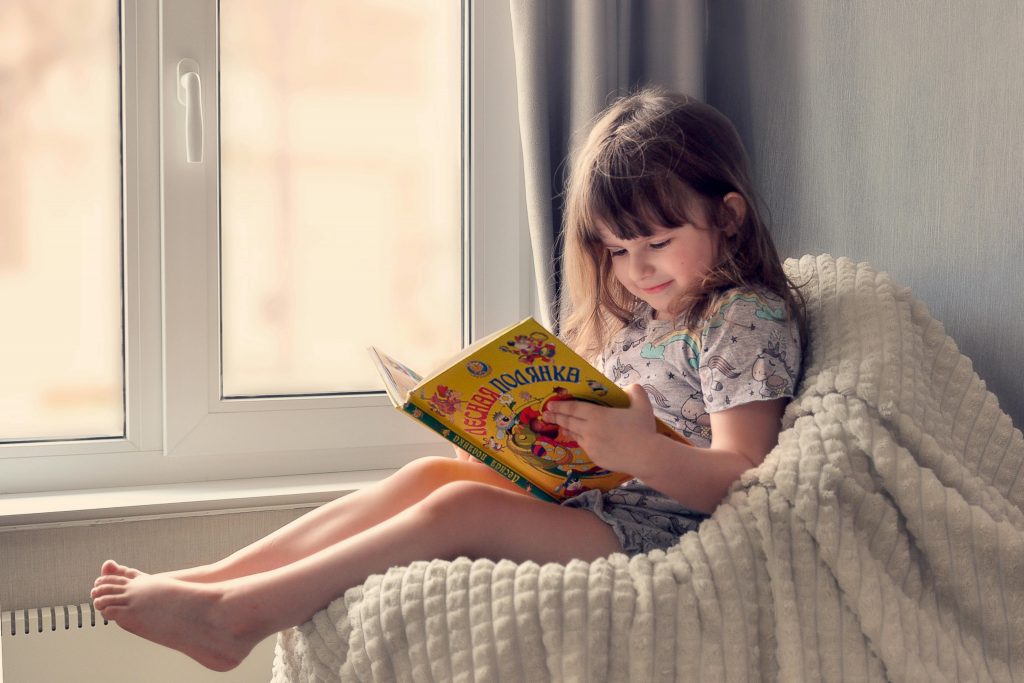
Every child learns at their own pace, especially when it comes to reading. As a parent, you might wonder when your child should start reading and how to tell if they’re ready.
The truth is, reading doesn’t happen overnight. It develops over time through small steps like recognizing letters, understanding sounds, and building vocabulary. Knowing what to look for can help you support your child in the right way.
In this guide, we’ll explore when kids typically start reading, the signs your child may be ready, and how you can help them along the way.
When Do Kids Start Reading?
Most children begin learning the basics of reading between the ages of 4 and 7, but this timeline can vary widely. Some children may show interest in letters and words earlier, while others may take more time to develop these skills. Both are completely normal and do not necessarily indicate future success or difficulty.
Reading is not a single skill—it is made up of many smaller skills that develop over time. These include listening, speaking, recognizing sounds, and understanding symbols like letters and words. Children build these skills gradually through everyday experiences like talking, listening to stories, and playing.
Typical reading development stages:
- Ages 0–3: Listening to stories, recognizing sounds, and responding to language
- Ages 3–5: Learning letters, sounds, and basic word recognition
- Ages 5–7: Beginning to read simple words and short sentences
- Ages 7+: Reading more smoothly and understanding longer texts
Reading is a journey, and each child progresses at their own pace.
Early Signs Your Child Is Ready to Read

Children often show signs that they are ready to begin reading before they actually start reading independently. These early signs are part of what is called “pre-reading skills,” which are important building blocks for future reading success.
You may notice your child becoming more curious about books, letters, and words. This curiosity is a strong indicator that they are ready to learn.
Common signs include:
- Recognizing some letters of the alphabet
- Showing interest in books or storytime
- Pretending to read by looking at pictures
- Understanding that written words have meaning
- Asking questions about letters or words they see
These behaviors show that your child is starting to connect spoken language with written language. Encouraging these interests can help make the transition to reading smoother and more enjoyable.
Strong Language Skills
Before children can read, they need a strong foundation in spoken language. Language skills help children understand what words mean, how sentences are formed, and how ideas are expressed.
Children who are good at speaking and listening often find it easier to learn how to read. This is because reading is closely connected to understanding language.
Signs of strong language skills:
- Speaking in clear, simple sentences
- Understanding and following instructions
- Using a growing vocabulary
- Asking and answering questions
- Enjoying conversations with others
You can support language development by talking to your child often, asking open-ended questions, and encouraging them to express their thoughts.
The stronger their language skills, the easier it will be for them to understand what they read later on.
Ability to Recognize Letters and Sounds
Recognizing letters and connecting them to sounds is one of the most important steps in learning to read. This skill is often referred to as phonics.
When children understand that each letter represents a sound, they can begin to decode words by sounding them out.
What to look for:
- Knowing most or all of the alphabet
- Matching letters to their sounds
- Recognizing simple words like “cat,” “dog,” or “sun”
- Playing with sounds, such as rhyming
You can help build this skill by practicing letter sounds in a fun and engaging way. Singing alphabet songs, using flashcards, or playing word games can make learning more enjoyable.
Developing this skill gives children the tools they need to begin reading on their own.
Interest in Books and Stories
A child’s interest in books is one of the strongest signs they are ready to learn to read. When children enjoy stories, they are more motivated to understand how reading works.
This interest can show up in many ways, even before they can read actual words.
Signs include:
- Asking to be read to regularly
- Looking through books on their own
- Turning pages and following along
- Talking about characters or events in stories
Children who enjoy books are more likely to develop positive reading habits. You can support this by providing a variety of books and making reading time enjoyable.
The goal is to create a love for reading, which will make learning easier and more natural.
Understanding Print Concepts
Before children can read, they need to understand how print works. These are basic concepts that help them make sense of written language.
These skills may seem simple, but they are essential for reading development.
Examples:
- Knowing that text is read from left to right
- Understanding that words are separated by spaces
- Recognizing that letters form words and sentences
- Knowing how to hold and use a book
You can help your child learn these concepts by pointing to words as you read and showing them how books are organized.
Understanding print concepts helps children feel more confident and prepared when they begin reading.
Ability to Focus and Pay Attention
Reading requires concentration, even at an early level. Children need to be able to focus on a story or activity for a short period of time.
Attention skills help children follow along and understand what they are learning.
Signs your child is ready:
- Can sit and listen to a short story
- Stays engaged during reading time
- Follows simple instructions
- Shows interest in completing activities
If your child struggles to focus, try keeping reading sessions short and interactive. Use engaging books with colorful pictures and simple stories.
Building attention gradually will help your child stay engaged as reading becomes more complex.
Recognizing Simple Words
Some children begin recognizing common words before they can fully read. These are often called “sight words.”
Recognizing these words helps children read more smoothly and build confidence.
Examples:
- Their own name
- Common words like “the,” “and,” or “go”
- Words seen frequently in daily life
You can help your child learn these words by pointing them out in books, signs, or everyday objects.
This early recognition helps children move from sounding out words to reading more naturally.
How to Support Your Child’s Reading Journey
Supporting your child’s reading journey doesn’t require special training—it just takes time, patience, and encouragement. Creating a positive environment can make a big difference in how your child feels about reading.
Ways to help:
- Read together every day
- Ask questions about the story
- Encourage your child to talk about what they see
- Celebrate small achievements
Try to make reading a fun and relaxed activity rather than a task. Let your child explore books at their own pace.
Your support helps build confidence and makes learning to read a more enjoyable experience.
Make Reading a Daily Habit
Consistency is one of the most important factors in learning to read. Making reading a daily habit helps children build skills over time.
Tips:
- Set a regular reading time each day
- Create a cozy reading space
- Let your child choose books they enjoy
Even just 10–15 minutes a day can make a big difference.
Daily reading helps children become more familiar with words, sounds, and storytelling. Over time, this builds confidence and improves their ability to read independently.
Use Phonics and Sound Games
Phonics is a key part of learning to read, and it can be taught in fun and interactive ways.
Fun ideas:
- Sing alphabet and sound songs
- Play rhyming games
- Practice blending sounds into words
These activities help children connect letters with sounds in a playful way.
Learning through games keeps children engaged and makes the process less stressful. It also helps reinforce skills without feeling like formal learning.
Be Patient and Avoid Pressure
Every child learns at their own pace, and it’s important not to rush the process. Putting too much pressure on a child can make reading feel stressful instead of enjoyable.
Remember:
- Progress takes time
- Mistakes are part of learning
- Encouragement builds confidence
Focus on your child’s effort rather than perfection. Celebrate small wins and keep the experience positive.
A supportive and patient approach helps children develop a lifelong love for reading.
When Should You Be Concerned?
While differences in reading development are normal, there are times when extra support may be needed.
Consider seeking help if:
- Your child shows little interest in books
- They struggle to recognize letters by age 6
- They have difficulty understanding simple language
If you have concerns, talk to a teacher or specialist. Early support can make a big difference.
The Role of Parents in Early Reading

Parents play a big role in helping children learn to read.
Simple actions like reading aloud, asking questions, and showing enthusiasm can make a big difference.
Your support helps your child feel confident and motivated.
Final Thoughts
So, when do kids start reading? Most begin between ages 4 and 7, but every child is different.
The key is to look for signs of readiness and provide support in a fun and encouraging way. Focus on building a love for reading rather than rushing the process.
With patience, practice, and the right environment, your child will develop the skills they need to become a confident reader.
