
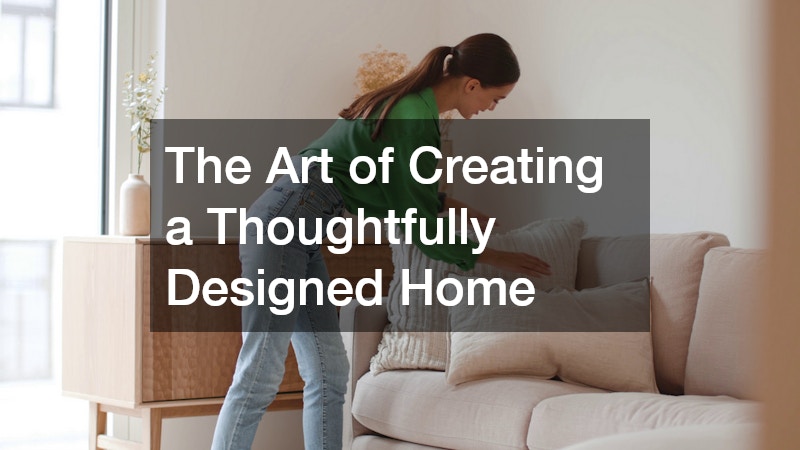
A thoughtfully designed home is more than just a collection of attractive finishes and furniture. It is a space that works with your lifestyle, supports your daily routines, and feels cohesive from room to room. The difference between a home that looks good and one that truly works comes down to intention. Every decision, from layout to materials to lighting, should serve a purpose.
Many homeowners fall into the trap of making isolated upgrades. A new kitchen here, a bathroom refresh there. While these changes may improve individual spaces, they often lack connection. The result is a home that feels disjointed, with mismatched styles, inconsistent functionality, and missed opportunities for efficiency.
Creating a thoughtfully designed home requires a holistic approach. It means stepping back, looking at the bigger picture, and making decisions that align across the entire property. It involves planning, working with the right professionals, and selecting materials and systems that balance aesthetics and practicality.
Start with a Clear Vision Before Making Any Decisions

Before selecting finishes or hiring contractors, it’s essential to define what you want your home to be. Without a clear vision, even the best materials and craftsmanship can fall short.
Consider your lifestyle and how your home will accommodate it. Think about your family’s needs, your aesthetic preferences, and the functionality of each space. Are you looking for a cozy, intimate atmosphere or a bright, open layout? It’s also important to identify your budget early in the process, as it will guide your choices and help you prioritize expenditures.
Create a mood board with colors, textures, and styles that resonate with you. This will not only help solidify your vision but also serve as a reference when communicating with contractors and designers. Additionally, research different finishes and materials, considering their durability, maintenance requirements, and how they fit into your overall design concept.
Lastly, be open to adjustments along the way. Flexibility can lead to unexpected and delightful results, and collaborating closely with professionals can further enhance your vision. This foundational work will ensure that your home reflects your identity and meets your needs for years to come.
Define How You Want Your Home to Feel and Function
Start by thinking beyond aesthetics. Consider how you live day to day:
- Do you entertain often or prefer quiet spaces?
- Do you need flexible work-from-home areas?
- How important is storage and organization?
Write down your priorities. This will guide every decision moving forward and prevent you from being distracted by trends that don’t fit your lifestyle.
Work with Experts Who See the Big Picture
A luxury home builder can help translate your vision into a cohesive plan. They understand how different elements of a home interact and can guide you toward decisions that support long-term value.
An architectural project management company plays a critical role in keeping everything aligned. They coordinate timelines, budgets, and communication between all parties, ensuring that your vision is executed properly from start to finish.
Create a Roadmap Before You Begin
Planning upfront saves time and money later. Your roadmap should include:
- A realistic budget with contingencies
- A clear timeline with milestones
- A defined scope of work
This structure keeps your project focused and reduces the risk of costly mid-project changes.
Design a Kitchen That Balances Beauty and Daily Use
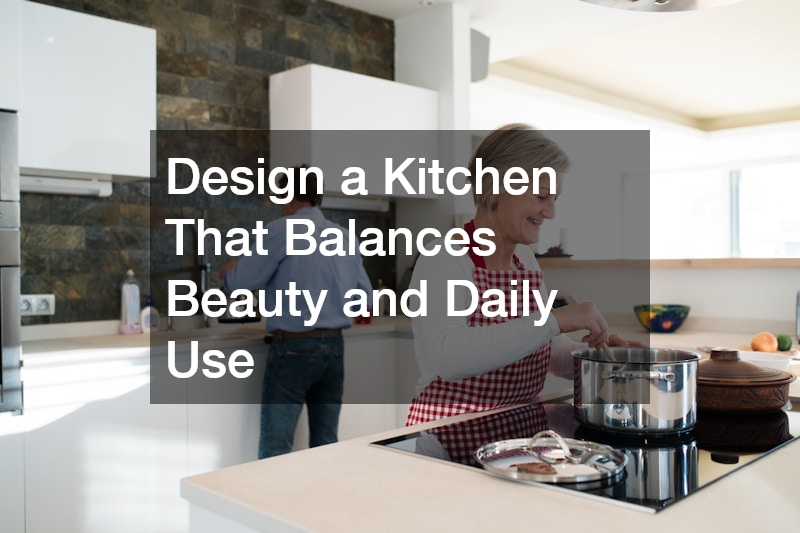
The kitchen is one of the most used spaces in any home, often serving as the heart of daily life. It is where families gather to share meals, where friends come together to celebrate, and where countless memories are made over the years. Because of its multifaceted role, a kitchen needs to be both visually appealing and highly functional.
Aesthetically, the kitchen should reflect the personality and style of those who use it. This can be achieved through thoughtful choices in color schemes, cabinetry, countertops, and fixtures. For instance, incorporating warm tones can create an inviting atmosphere, while sleek, modern designs may lend a more contemporary feel. Decorative elements, such as kitchenware, art, or plants, can personalize the space further, making it not only a place for cooking but also a visual delight.
Functionality is equally important in kitchen design. A well-organized kitchen enhances efficiency, allowing for a seamless cooking experience. This includes having adequate storage solutions, such as cabinets, drawers, and pantry space, that are easily accessible. The layout should promote a smooth workflow, often planned around the classic ” work triangle” formed by the stove, sink, and refrigerator. Investing in high-quality appliances that cater to specific cooking needs can elevate both practicality and enjoyment in meal preparation.
In addition to the physical aspects, the kitchen should also accommodate the lifestyle of its users. Whether it’s a large family needing space for shared cooking or social gatherings, or a single individual looking for simplicity, the kitchen’s design should cater to these dynamics. Open-plan layouts are increasingly popular, allowing for interaction with guests or family while cooking, thereby making the kitchen a communal space.
Ultimately, a kitchen that balances beauty with functionality not only enhances the daily living experience but also adds significant value to the home. It becomes a place where culinary creativity flourishes, social interactions thrive, and lasting memories are forged.
Choose Materials That Combine Durability and Style
Your choice of surfaces plays a major role in both appearance and longevity. Quartz countertops are a popular option because they offer durability, low maintenance, and a consistent look.
They are ideal for busy households because they resist stains and scratches while maintaining their appearance over time.
Balance Aesthetics with Maintenance Needs
Natural materials like a stone countertop can add character and depth, but they may require more maintenance. It’s important to weigh the pros and cons based on your lifestyle.
Consider:
- How often do you cook
- Your tolerance for maintenance
- The level of wear and tear your surfaces will experience
Plan Layouts That Improve Flow and Efficiency
A well-designed kitchen layout makes daily tasks easier. Focus on:
- Efficient work zones for cooking, cleaning, and prep
- Clear pathways that reduce congestion
- Accessible storage that keeps essentials within reach
A thoughtful layout enhances both usability and enjoyment.
Create Bathrooms That Feel Functional and Relaxing
Bathrooms should be more than just functional spaces. They should offer comfort, convenience, and a sense of relaxation.
Focus on Comfort, Not Just Appearance
While aesthetics matter, comfort should come first. Consider:
- Proper lighting for different tasks
- Ventilation to prevent moisture issues
- Layouts that maximize space and usability
Invest in Smart Layout Changes First
Often, small layout adjustments can make a big difference. Repositioning fixtures or improving storage can transform how a bathroom feels and functions.
Work with the Right Professionals for Lasting Results
Experienced bathroom remodeling contractors understand how to balance design with practicality. They can help you avoid common pitfalls and ensure that your upgrades are built to last.
Don’t Overlook the Exterior Impact of Your Home
The exterior of your home is just as important as the interior. It protects your investment and sets the tone for the entire property.
Start with Structural Elements That Protect Your Investment
Your roof is one of the most critical components of your home. Professional roofing services ensure it remains durable, efficient, and able to withstand the elements. Ignoring this area can lead to costly repairs and reduced home value.
Extend Your Living Space Outdoors
Outdoor areas can significantly enhance your home’s functionality. Hardscaping services can help you create patios, walkways, and seating areas that expand your usable space.
Benefits include:
- Increased property value
- More space for entertaining
- Improved overall aesthetics
Maintain Consistency Between Interior and Exterior Design
A cohesive design should flow seamlessly from inside to outside. Matching materials, colors, and styles creates a unified look that feels intentional.
Upgrade Storage and Surfaces for Everyday Efficiency

The kitchen is one of the most used spaces in any home, often serving as the heart of daily life. It is where families gather to share meals, where friends come together to celebrate, and where countless memories are made over the years. Because of its multifaceted role, a kitchen needs to be both visually appealing and highly functional.
Aesthetically, the kitchen should reflect the personality and style of those who use it. This can be achieved through thoughtful choices in color schemes, cabinetry, countertops, and fixtures. For instance, incorporating warm tones can create an inviting atmosphere, while sleek, modern designs may lend a more contemporary feel. Decorative elements, such as kitchenware, art, or plants, can personalize the space further, making it not only a place for cooking but also a visual delight.
Functionality is equally important in kitchen design. A well-organized kitchen enhances efficiency, allowing for a seamless cooking experience. This includes having adequate storage solutions, such as cabinets, drawers, and pantry space, that are easily accessible. The layout should promote a smooth workflow, often planned around the classic ” work triangle” formed by the stove, sink, and refrigerator. Investing in high-quality appliances that cater to specific cooking needs can elevate both practicality and enjoyment in meal preparation.
The kitchen should also accommodate the lifestyle of its users. Whether it’s a large family needing space for shared cooking or social gatherings, or a single individual looking for simplicity, the kitchen’s design should cater to these dynamics. Open-plan layouts are increasingly popular, allowing for interaction with guests or family while cooking, thereby making the kitchen a communal space.
A kitchen that balances beauty with functionality not only enhances the daily living experience but also adds significant value to the home. It becomes a place where culinary creativity flourishes, social interactions thrive, and lasting memories are forged.
Maximize Storage Without Adding Clutter
Smart storage solutions help keep your home organized and functional. Focus on:
- Built-in shelving
- Multi-purpose furniture
- Efficient use of vertical space
Refresh Instead of Replace When Possible
In many cases, cabinet improvement services can give your space a fresh look without the cost of full replacement. Updating finishes, hardware, or layouts can make a significant difference.
Choose Finishes That Age Well
Avoid overly trendy designs that may quickly feel outdated. Instead, choose materials and finishes that offer long-term appeal.
Plan Systems That Support Modern Living
Behind every well-designed home is a set of systems that support daily life.
Think Ahead About How You Use Power Daily
Modern homes rely heavily on technology. Planning your electrical service properly ensures that your home can support your needs now and in the future.
Consider:
- Outlet placement for convenience
- Smart home integration
- Adequate capacity for appliances and devices
Upgrade Infrastructure During Renovations
Renovations are the ideal time to update systems. Addressing electrical needs early prevents disruptions later.
Design Lighting That Enhances Every Space
Lighting plays a crucial role in both function and atmosphere. Combine:
- Ambient lighting for overall brightness
- Task lighting for specific activities
- Accent lighting for visual interest
A layered approach creates a more dynamic and comfortable environment.
Add Finishing Touches That Tie Everything Together
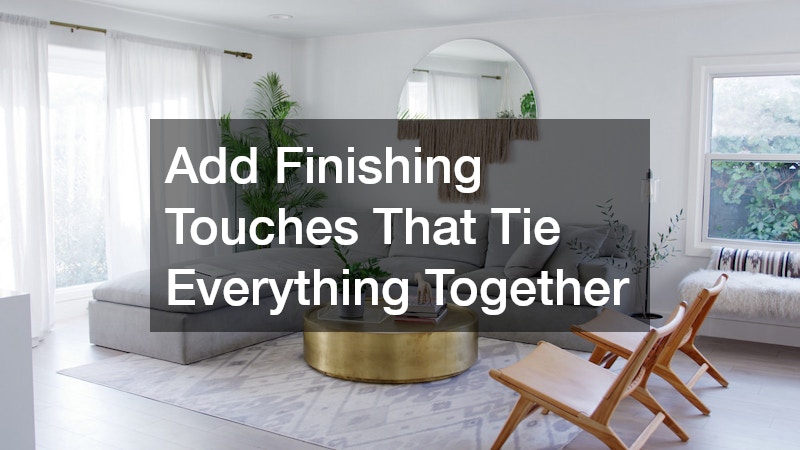
The final details are what bring a home together and make it feel complete. They create a sense of cohesion that connects each room into a unified experience. Without them, even the most well-designed spaces can feel unfinished or disconnected. Thoughtful finishing touches add personality, warmth, and a level of refinement that elevates the entire home.
Use Textures and Layers to Complete Each Room
Textures add warmth and depth. Incorporate elements like:
- Rugs
- Fabrics
- Decorative accents
Working with an area rug supplier can help you find pieces that fit your space perfectly in terms of size, style, and color.
Choose Pieces That Complement Your Overall Design
Every element should feel connected. Avoid mixing styles that clash or disrupt the flow of your home.
Focus on Details That Elevate the Entire Space
Small details can have a big impact. Pay attention to:
- Hardware and fixtures
- Trim and finishes
- Decorative elements
These finishing touches bring your vision to life. Creating a thoughtfully designed home is about more than making individual upgrades. It is about understanding how every element works together to support your lifestyle and create a cohesive environment.
By taking a holistic approach, planning, and making intentional decisions, you can design a home that feels both functional and inspiring. The result is a space that not only looks beautiful but also enhances your everyday life.
