
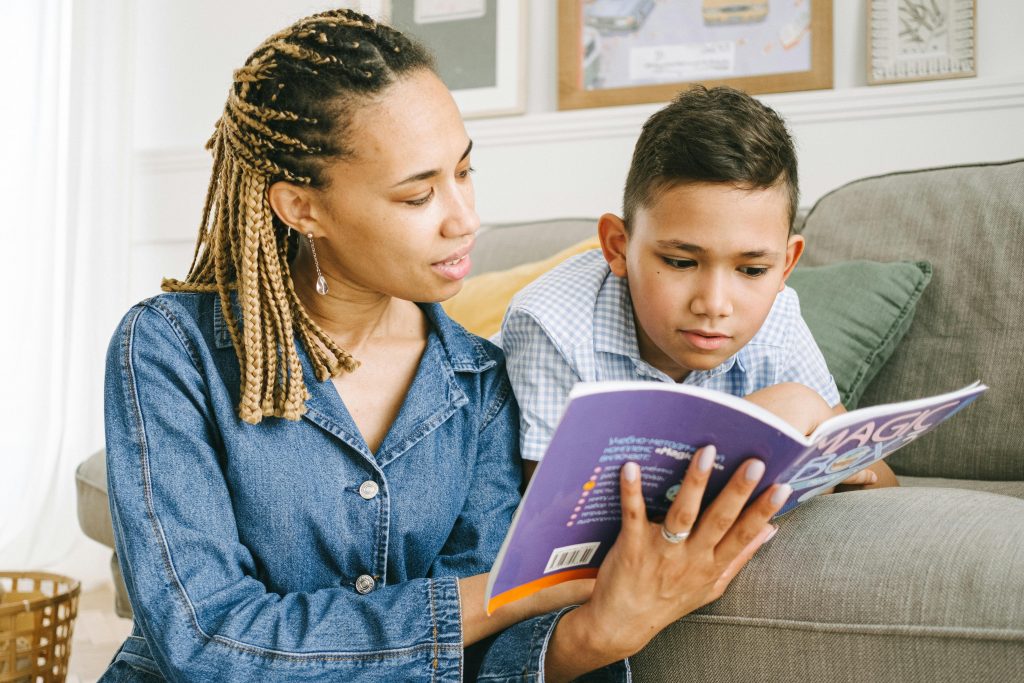
Watching your child struggle with reading can feel overwhelming. You may worry that they are falling behind or that they will lose confidence in school. The good news is that many children face reading challenges at some point, and with the right support, they can improve and even learn to enjoy reading.
Reading is not a skill that develops overnight. It takes time, practice, and patience. Some children learn quickly, while others need more guidance and repetition. As a parent, your role is not to pressure your child but to support them in a way that builds both skill and confidence.
In this guide, you’ll find practical, easy-to-follow tips to help your child overcome reading struggles and grow into a more confident reader.
Understand That Every Child Learns Differently
The first step is to recognize that every child learns at their own pace. Reading development varies widely, and it’s completely normal for some children to need more time than others.
Comparing your child to classmates or siblings can create unnecessary pressure and may even make your child feel discouraged. Instead, focus on their individual progress.
Keep in mind:
- Learning speeds vary from child to child
- Struggles are a normal part of learning
- Progress may be slow but meaningful
- Confidence is just as important as skill
When you accept your child’s unique learning pace, you can provide support that feels encouraging rather than stressful. This mindset sets the foundation for everything else you do to help them.
Identify the Specific Challenge

Not all reading struggles are the same. Some children have trouble with letter recognition, while others may struggle with understanding what they read. Identifying the specific issue can help you choose the right approach.
Common challenges include:
- Difficulty recognizing letters or sounds
- Trouble blending sounds into words
- Limited vocabulary
- Skipping words or lines while reading
- Difficulty understanding stories
Spend time observing your child while they read. Are they guessing words instead of sounding them out? Do they lose focus quickly?
Understanding where they struggle allows you to focus your efforts and provide targeted support.
Create a Positive Reading Environment
A supportive environment can make a big difference in how your child feels about reading. If reading feels stressful or pressured, your child may avoid it.
Tips:
- Choose a quiet, comfortable space
- Keep reading sessions short and relaxed
- Avoid correcting every mistake
- Focus on encouragement rather than criticism
You want your child to associate reading with positive feelings. Even small successes should be celebrated.
A calm and encouraging environment helps your child stay motivated and open to learning.
Read Together Every Day
Reading together is one of the most effective ways to support your child. It allows them to hear correct pronunciation, understand sentence flow, and build confidence.
Ways to read together:
- Take turns reading sentences or pages
- Read aloud while your child follows along
- Let your child read at their own pace without rushing
Even just 10–15 minutes a day can have a big impact over time.
Reading together also gives you a chance to connect with your child and make learning feel enjoyable rather than like a task.
Use Phonics and Sound Practice
Phonics is a key part of learning to read. It helps children understand how letters and sounds work together.
If your child is struggling, going back to basic sound practice can be very helpful.
Activities:
- Practice letter sounds daily
- Blend sounds to form simple words
- Play rhyming games
- Break words into smaller parts
Keeping these activities fun and interactive will help your child stay engaged.
Phonics builds a strong foundation that makes reading easier over time.
Focus on Sight Words
Sight words are common words that children should recognize instantly. These words often don’t follow simple phonics rules, so memorization is important.
Examples:
- the
- and
- is
- you
Tips:
- Practice a few words at a time
- Use flashcards or simple games
- Repeat regularly to build memory
Recognizing sight words helps your child read more smoothly and with less effort.
Be Patient and Encourage Progress
Patience is one of the most important things you can offer your child. Learning to read can be challenging, and frustration is normal.
Remember:
- Progress may be slow
- Mistakes are part of learning
- Encouragement builds confidence
Celebrate small wins, like reading a new word or finishing a short sentence.
Your attitude can shape how your child feels about reading. Staying positive helps them stay motivated.
Make Reading Fun
Reading should not feel like a chore. When it’s enjoyable, children are more likely to stay engaged and practice more often.
Ideas:
- Let your child choose books they like
- Use books with colorful pictures
- Act out stories together
- Use funny voices while reading
You can also include reading in everyday activities, like reading signs, labels, or menus.
The goal is to make reading feel natural and fun.
Limit Distractions
A quiet and focused environment helps your child concentrate better during reading time.
Tips:
- Turn off TVs and devices
- Choose a calm space
- Set a regular reading schedule
Even small distractions can make it harder for your child to focus.
Creating a consistent routine helps your child know what to expect and prepares them to learn.
Work With Teachers
Your child’s teacher can provide valuable insight into their reading progress.
Ask about:
- Your child’s strengths and weaknesses
- Areas that need improvement
- Recommended strategies or resources
Working together with teachers ensures your child gets consistent support both at home and in school.
Communication is key to helping your child succeed.
Consider Extra Support if Needed
If your child continues to struggle despite your efforts, extra support may be helpful.
Options include:
- Reading tutors
- After-school programs
- Educational specialists
Early support can make a big difference and prevent long-term challenges.
There’s no shame in asking for help—what matters most is giving your child the support they need.
Build Confidence Beyond Reading
Confidence plays a huge role in learning. If your child feels discouraged, they may avoid reading altogether.
Ways to build confidence:
- Praise effort, not just results
- Encourage their strengths in other areas
- Avoid negative comparisons
- Celebrate progress
A confident child is more willing to try, even when things are difficult.
Understand Reading Milestones
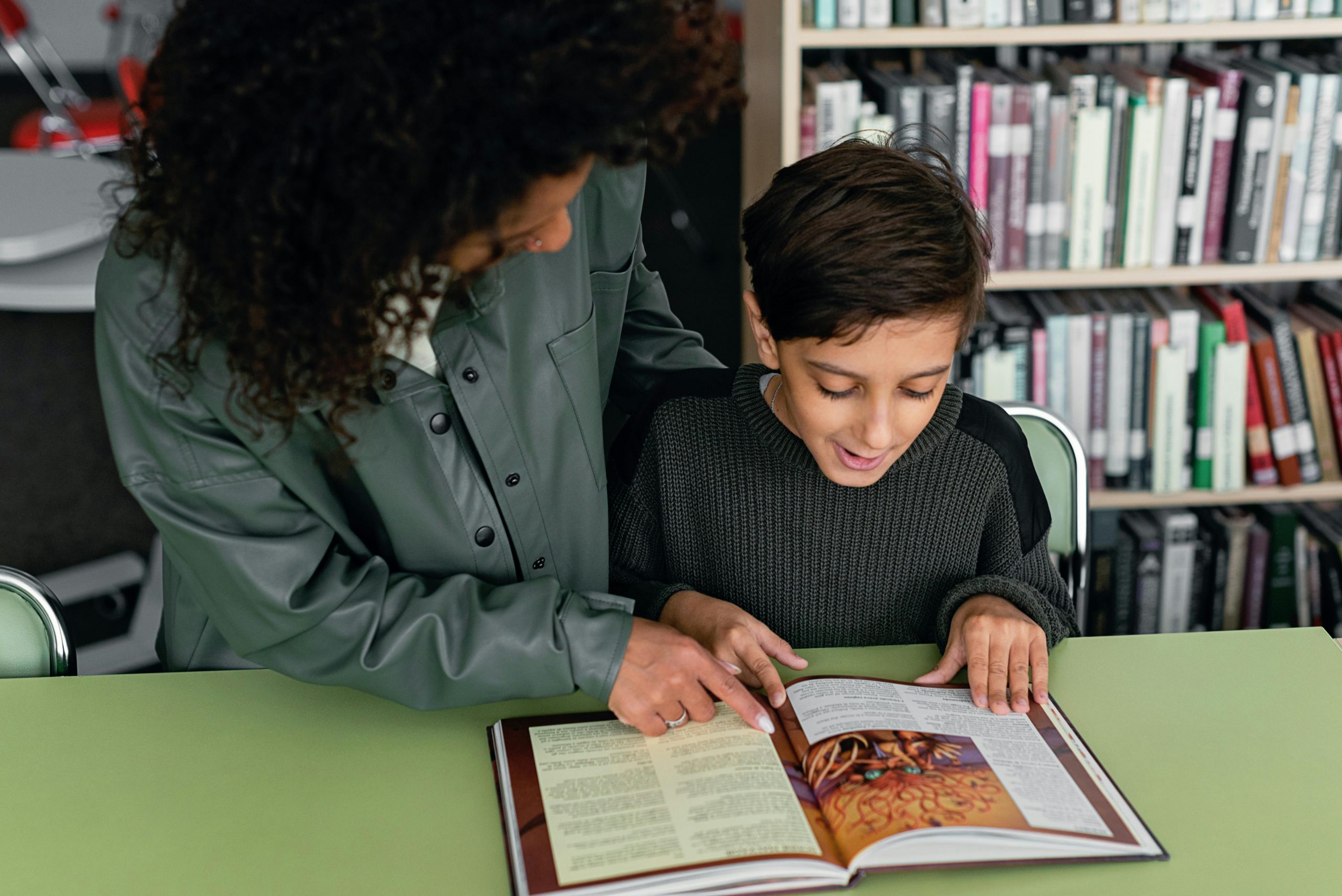
It’s helpful to understand what is typical for reading development. Many parents ask, when do kids start reading, especially when their child is struggling.
Most children begin reading between ages 4 and 7, but this can vary. Some children may take longer, and that’s completely normal.
Knowing this can help you set realistic expectations and avoid unnecessary worry.
Stay Consistent
Consistency is one of the most important factors in improving reading skills.
Tips:
- Set a daily reading routine
- Keep sessions short but regular
- Repeat activities for practice
Regular exposure helps your child build skills over time.
Small, consistent efforts often lead to big improvements.
Final Thoughts
Helping a child who is struggling with reading takes time, patience, and understanding. There is no quick fix, but with consistent support, your child can improve and gain confidence.
Focus on creating a positive environment, practicing regularly, and celebrating progress. Remember that every child learns differently, and your support plays a huge role in their success.
With encouragement, patience, and the right strategies, your child can develop strong reading skills and a lifelong love for learning.
