
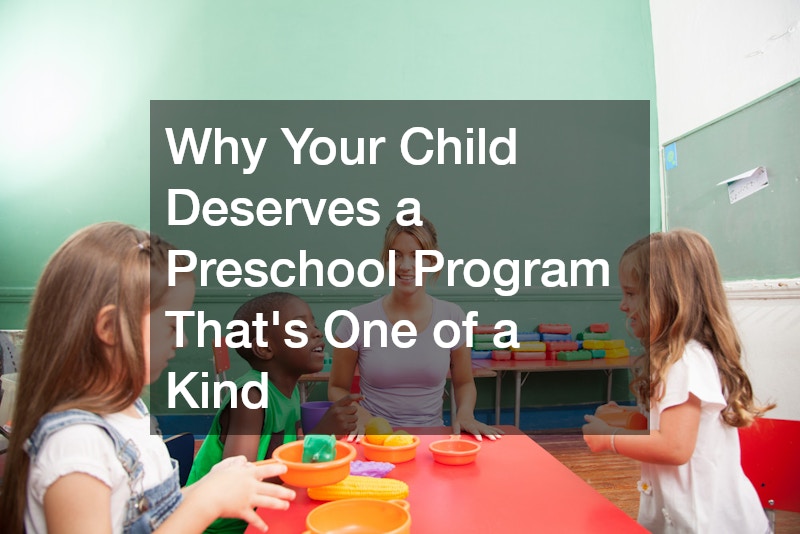
Choosing the right preschool for your child is one of the most important decisions you will make as a parent. Early childhood education lays the foundation for lifelong learning, social skills, and emotional development. But today’s parents are looking for more than just a basic classroom experience—they want programs that nurture individuality, creativity, and growth in a well-rounded way. With so many options available, it can be overwhelming to know what truly makes a preschool stand out. It’s not just about academics; it’s about fostering a love of learning and exploration in an environment that encourages every child to thrive.
A truly exceptional preschool combines a variety of experiences that engage the mind, body, and spirit. It provides opportunities for children to explore different interests, develop their motor skills, build confidence, and grow socially in a safe and supportive setting. Whether that means encouraging artistic expression through music and dance, supporting physical development through movement and outdoor activities, or integrating thoughtful nutritional choices to fuel young minds, the best programs go beyond traditional lessons to create a nurturing atmosphere for holistic growth.
Parents also want assurance that their children are receiving quality care that supports their health and well-being. Having access to trusted medical professionals and specialized therapies can make a significant difference in a child’s early years. Meanwhile, exposure to unique activities such as horseback riding or physical therapy can help children build strength, coordination, and emotional resilience.
In addition, families appreciate preschools that offer convenience through services like nutritious meal prep and attention to specialized needs such as vision care. A preschool experience that embraces these diverse elements can help children flourish in ways that prepare them not only academically but also physically and emotionally for the years ahead.
This article explores why choosing a preschool program that offers a wide range of enriching activities and expert care is so beneficial for your child. From nurturing independence to encouraging movement, supporting health, and offering unique learning experiences, here’s why your child deserves a preschool program that’s truly one of a kind.
Nurturing Independence and Creativity from an Early Age
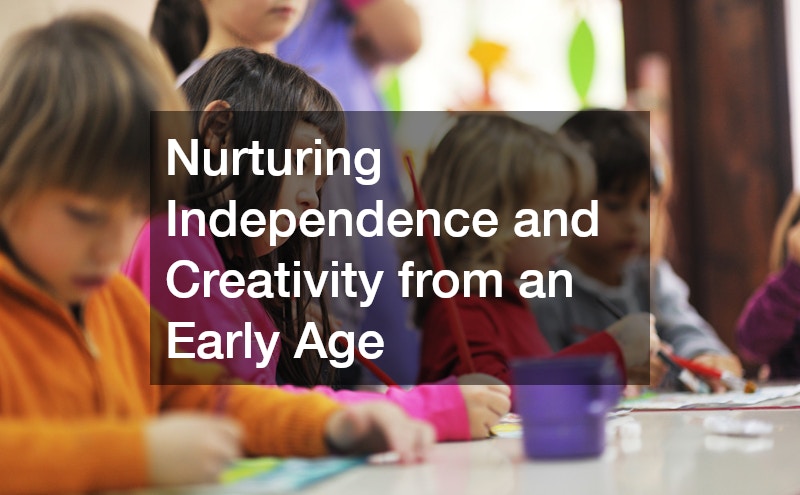
Early childhood is a critical time for fostering independence and creativity, and Montessori pre K programs excel in cultivating these essential skills. Rather than following a rigid curriculum, Montessori education emphasizes child-led learning, allowing each student to explore topics at their own pace and according to their interests. This approach builds confidence and encourages children to become active participants in their education rather than passive recipients.
Montessori classrooms are thoughtfully designed environments filled with hands-on materials that stimulate curiosity and problem-solving. Children are encouraged to choose activities that interest them, which nurtures a love of learning and builds intrinsic motivation. The method also promotes practical life skills such as dressing themselves, preparing snacks, or caring for plants, which further develops independence.
Creativity thrives in Montessori settings because children have the freedom to experiment and express themselves without fear of failure. Teachers act as guides rather than lecturers, supporting each child’s unique learning path. This respectful approach not only helps develop academic skills but also emotional intelligence and social competence.
By nurturing independence and creativity during the preschool years, Montessori programs prepare children to become self-directed learners who are confident in their abilities. These skills form the foundation for success in school and beyond, making this style of early education a standout choice for families seeking a personalized and enriching experience.
Encouraging Movement and Expression Through Fun Activities
Physical activity and creative expression are vital components of childhood development, and dance lessons offer an engaging way to incorporate both into a preschool program. Dance classes for young children do more than teach rhythm and coordination—they build confidence, encourage social interaction, and provide a healthy outlet for energy.
Preschool dance lessons focus on age-appropriate movement that supports gross motor skill development, balance, and flexibility. By moving their bodies in time with music, children enhance their physical awareness and learn to control their motions with greater precision. Beyond the physical benefits, dance encourages creativity by allowing children to express emotions and stories through movement.
Participating in group dance activities also helps children develop social skills such as cooperation, listening, and following directions. It creates a sense of community and belonging while building self-esteem as children master new routines and perform in front of others.
Incorporating dance lessons into a preschool curriculum provides a joyful and dynamic way for children to develop holistically. It fosters both physical health and emotional well-being, making it a valuable addition to any unique preschool program.
What Sets Top Early Learning Centers Apart
When searching for the best pre k schools, parents often seek programs that combine academic excellence with a supportive, nurturing environment. Top early learning centers stand out because they recognize that each child’s developmental journey is unique and requires a balanced approach to education.
High-quality preschools implement evidence-based curricula that focus on key areas such as language development, early literacy, numeracy, and social-emotional skills. They also provide ample opportunities for play-based learning, which is essential for cognitive growth and creativity. Teachers in these centers are well-trained, passionate, and dedicated to creating individualized learning experiences that meet each child’s needs.
Beyond academics, the best pre-k schools foster a sense of community and belonging among children, families, and staff. They maintain low teacher-to-child ratios to ensure personalized attention and create safe, stimulating environments filled with age-appropriate resources.
Another distinguishing feature is the integration of enrichment activities that go beyond the classroom, including field trips, special guest visits, and extracurricular offerings. These programs recognize the importance of nurturing the whole child—intellectually, physically, and emotionally.
Ultimately, the best early learning centers are those that combine a strong educational foundation with a warm, engaging atmosphere where children feel valued and inspired to learn.
The Benefits of Choosing an Exclusive Learning Environment
Private preschools offer several advantages for families seeking a more tailored and exclusive early education experience. Unlike larger public settings, private preschools often provide smaller class sizes, allowing teachers to focus more closely on individual children’s progress and well-being.
This personalized attention helps foster strong relationships between educators, children, and families, which supports emotional security and effective communication. Private preschools typically have the flexibility to develop specialized curricula and incorporate unique programs, ensuring that the educational approach aligns closely with the values and goals of each family.
In addition, private preschools often boast superior facilities and resources, including outdoor play areas, specialized classrooms, and enrichment opportunities such as language classes, music, or art. These environments encourage exploration and creativity, providing children with diverse experiences that enhance their learning.
The selective nature of private preschools can also cultivate a community of families who share similar educational philosophies, creating a supportive network that extends beyond the classroom.
For parents looking for a preschool experience that goes above and beyond standard offerings, private preschools present an appealing option that prioritizes quality, individualized care, and enriching learning opportunities.
Exploring Programs That Support Every Child’s Growth
Preschool programs today are designed to be comprehensive and inclusive, supporting the diverse developmental needs of young children. The best programs recognize that growth is multifaceted, encompassing cognitive, emotional, physical, and social domains.
A well-rounded preschool curriculum incorporates play-based learning, hands-on activities, and opportunities for children to develop language, problem-solving, and self-regulation skills. Programs that integrate sensory experiences and encourage exploration help children build neural connections essential for future learning.
In addition to academic readiness, successful preschool programs focus on social-emotional development by teaching empathy, cooperation, and communication skills. Children learn how to manage emotions, resolve conflicts, and develop friendships—foundations that contribute to positive relationships throughout life.
Inclusive programs also provide support for children with diverse abilities and backgrounds, ensuring that every child has access to meaningful learning experiences. Collaboration with families and specialists helps create individualized plans that address unique needs.
By offering a wide variety of activities and expert guidance, preschool programs can foster well-rounded development that prepares children not just for kindergarten, but for lifelong success.
Ensuring Your Child’s Health With Trusted Medical Support
A child’s health and well-being are paramount during their formative years, and having access to trusted pediatric care is an important component of a quality preschool experience. Pediatricians play a vital role in monitoring growth and development, administering vaccinations, and addressing any medical concerns that arise.
Preschools that maintain strong relationships with local pediatricians can quickly coordinate care and ensure children receive timely attention when needed. This partnership supports parents by providing peace of mind that their child’s health is a priority.
In addition to routine medical care, some programs offer health screenings and wellness checks as part of their services. Early identification of issues such as vision or hearing problems allows for prompt intervention, minimizing impacts on learning and development.
Health education is also incorporated into many preschool settings, teaching children about hygiene, nutrition, and safe habits in ways that are age-appropriate and engaging.
By prioritizing medical support within the preschool environment, families can rest assured their children are cared for comprehensively, promoting not just learning but overall wellness.
Unique Opportunities to Connect With Nature and Animals

Introducing children to nature and animals can have profound effects on their emotional and physical development. Horseback riding lessons, for example, offer a unique opportunity to build confidence, balance, and responsibility in a fun and engaging way.
Interacting with horses encourages children to develop empathy and patience, as caring for these animals requires gentle handling and understanding. Riding also improves coordination, strength, and motor skills through active movement and posture control.
Programs that incorporate horseback riding or other animal-assisted activities often report improvements in children’s self-esteem and social skills. The connection with animals fosters a calming effect, reducing anxiety and encouraging mindfulness.
Additionally, outdoor experiences encourage curiosity and appreciation for the environment, nurturing a sense of stewardship and respect for living things.
By including nature-based activities like horseback riding in a preschool program, children gain memorable experiences that support holistic growth while promoting physical health and emotional resilience.
Supporting Development With Specialized Care and Therapy
Some children benefit greatly from specialized therapies that support their unique developmental needs, and integrating physical therapy into preschool programs can make a significant difference. Physical therapy helps children improve strength, coordination, balance, and motor skills that are essential for everyday activities and learning.
Therapists work closely with children and educators to create individualized plans tailored to each child’s abilities and goals. Therapy sessions might include exercises, games, and activities designed to enhance mobility and function in an enjoyable and motivating way.
Early intervention through physical therapy can address challenges such as muscle weakness, delayed motor milestones, or coordination difficulties, helping children keep pace with their peers and build confidence in their abilities.
Incorporating specialized therapy within the preschool setting also provides continuity of care and allows therapists to collaborate directly with teachers, ensuring consistent support throughout the day.
Programs that offer physical therapy as part of their services demonstrate a commitment to inclusivity and comprehensive child development.
Providing Healthy and Convenient Nutrition for Little Ones
Nutrition plays a vital role in children’s growth, energy levels, and cognitive function. Preschool programs that offer thoughtful meal prep and healthy food options provide families with added convenience and reassurance.
Well-balanced meals and snacks designed for young children focus on providing essential nutrients such as protein, whole grains, fruits, and vegetables. Proper nutrition supports brain development, immune function, and physical growth.
Meal prep services at preschools can accommodate dietary restrictions and allergies, ensuring all children receive safe and appropriate nourishment. This attention to detail alleviates parental concerns and promotes positive eating habits from an early age.
In addition to nutritious food, many programs incorporate lessons about healthy eating and encourage children to try new foods, fostering lifelong good habits.
By prioritizing convenient and healthy meal prep, preschools contribute to children’s overall wellness and create an environment where they are energized and ready to learn.
Caring for Young Eyes With Expert Services and Style
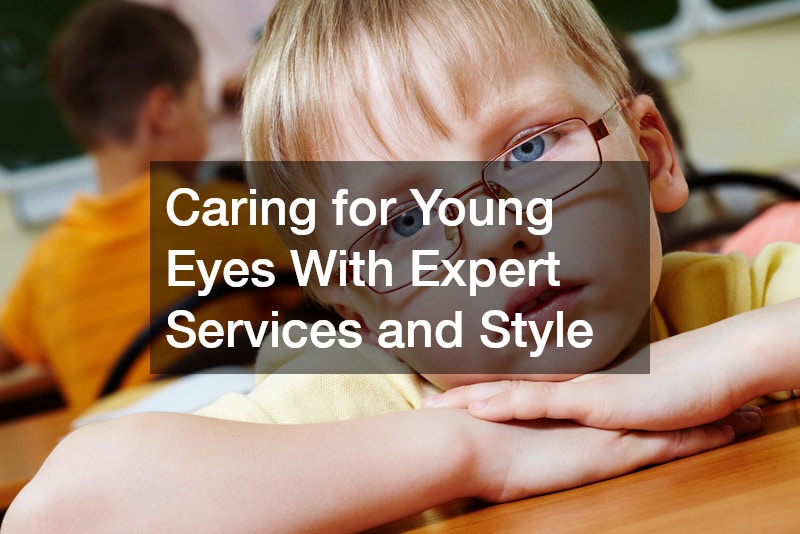
Vision is a critical sense for early learning, and addressing children’s eye care needs should be part of any comprehensive preschool program. Access to a kids eyeglasses store or vision specialist ensures that any visual impairments are identified and corrected early.
Children who struggle with vision problems may face challenges in reading, writing, and engaging in classroom activities. Early detection and treatment can prevent further complications and support academic success.
Many preschools collaborate with eye care professionals to provide screenings or referrals for eye exams. When glasses are needed, a kids eyeglasses store offers frames designed for comfort, durability, and style that appeal to young children.
Encouraging good eye health habits and providing access to expert services within the preschool community demonstrates a commitment to supporting every aspect of a child’s development.
Families can feel confident knowing that vision care is integrated into their child’s early education experience, helping to safeguard one of their most important senses.
Choosing a preschool program is about more than just finding a place where your child can spend a few hours a day—it’s about laying the groundwork for their future success and happiness. A preschool that goes beyond traditional academics to nurture independence, creativity, physical health, emotional well-being, and social skills offers children an invaluable start in life.
Programs that incorporate Montessori principles encourage children to become self-motivated learners, developing confidence and problem-solving abilities early on. Adding creative outlets like dance lessons gives children the chance to express themselves while improving coordination and social skills. The best early learning centers combine academic rigor with nurturing environments that recognize the uniqueness of every child.
Private preschools provide personalized attention and exclusive resources that foster growth in a warm, supportive community. Comprehensive preschool programs ensure holistic development by addressing cognitive, emotional, physical, and social needs. Access to trusted pediatric care within these programs supports children’s health and provides peace of mind to families.
Unique experiences such as horseback riding lessons connect children to nature and animals, promoting empathy and physical fitness. Specialized therapies like physical therapy offer critical support for children who need help developing motor skills. Thoughtful meal prep ensures children receive nourishing food that fuels their minds and bodies, while integrated vision care safeguards a sense essential to learning.
When a preschool program thoughtfully integrates these diverse elements, it becomes more than just a school—it becomes a place where children are empowered to grow into well-rounded, confident individuals ready to embrace the world. Investing in a preschool experience that’s truly one of a kind sets your child on a path to success and happiness that will last a lifetime.
Ultimately, the decision to choose such a comprehensive and enriching preschool program reflects a commitment to your child’s overall well-being and future. It acknowledges that every child deserves to be seen, heard, and supported in their unique journey of growth. With the right program, your child will not only thrive academically but also develop the skills, resilience, and joy that form the foundation for lifelong learning and fulfillment.
